

ST. FRANCIS AND A CLOSER LOOK AT PEACEMAKING: ITS HEALING POWER
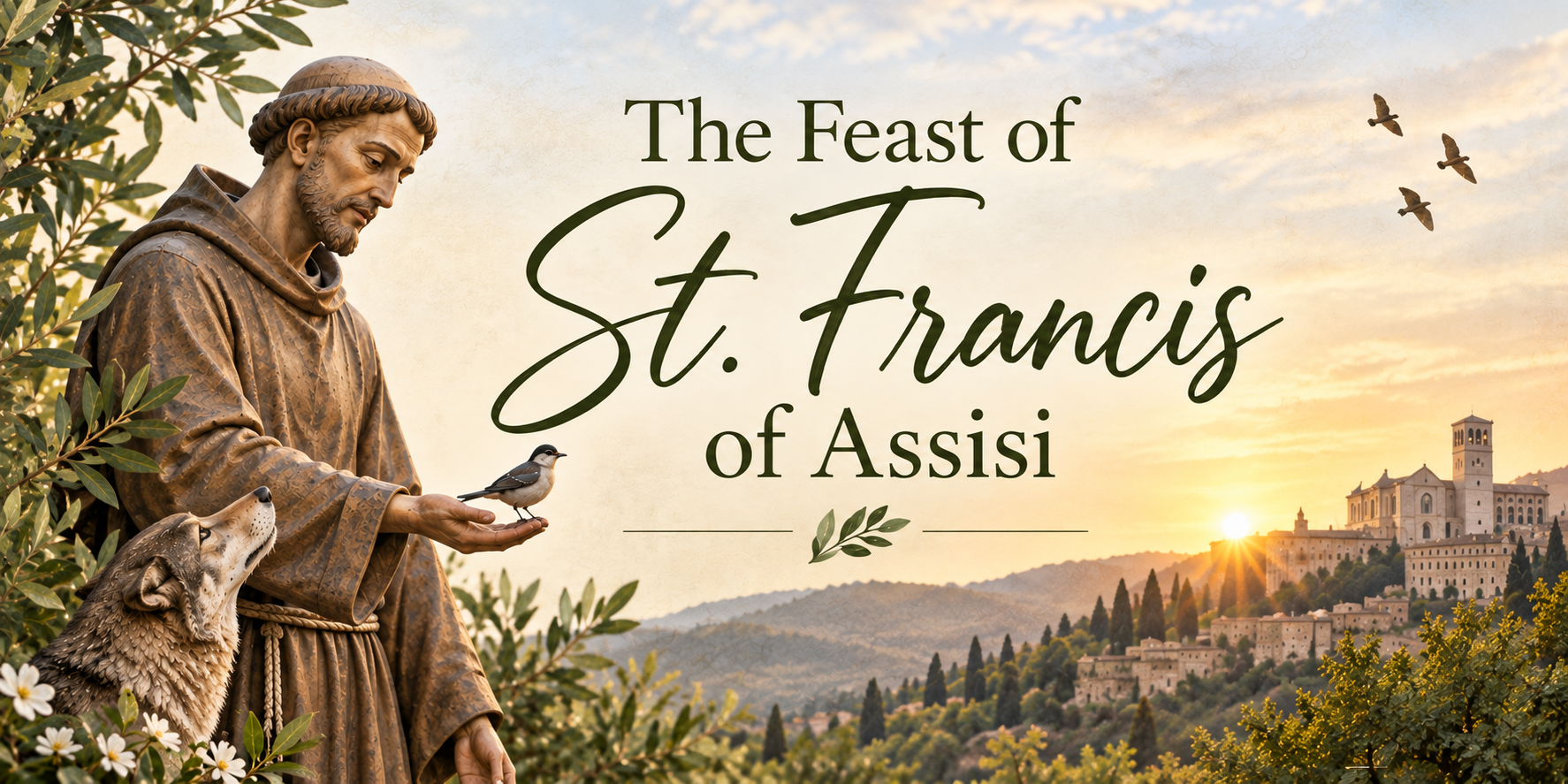
We all know, I think, that St. Francis wrote and preached about the importance of peacemaking. “Lord, let me be an instrument of your peace,” the Peace Prayer of St. Francis, is recited and sung right here many times in our worship. What we might not always appreciate is that for Francis this gentleness, this non-judgmental, loving attitude could actually heal people.
Here’s a beautiful statement from a 13th-century Franciscan text in which Francis is quoted as saying this:
“The peace which you proclaim with words must dwell even more abundantly in your hearts. Do not provoke others to anger or give scandal. Rather, let your gentleness draw them to peace, goodness, and concord. This is our vocation: to heal wounds, to bind what is broken, to bring home those who are lost.” (Legend of the Three Companions, 58)
The folk wisdom of our culture has been telling us for years that you can catch more bees with honey than you can with vinegar, and Francis knew this and incorporated this into his recommendations for evangelization.
There is a famous story about St. Francis and the Three Murderous Robbers that dates back to between 1220 and 1225, and it goes like this:
….
“Now in this time there were three infamous robbers roaming the countryside, and one day they came to where the friars of Monte Casale were residing. They asked Brother Angelo to feed them, and Angelo answered angrily, “You only rob and murder, but you want to take what has been donated for feeding God’s servants! You don’t even deserve to be alive! Go somewhere else to insult the God who created you! Don’t come back here!”
They went away, but they were furious.
Later that same day, Francis returned to Monte Casale, carrying bread and wine that he had begged along the way. When he arrived, Angelo told him what had happened and how he had successfully driven away the three infamous men. But Francis scolded Angelo.
“You acted cruelly. Sinners will come back to their God by humility, not by scolding. Christ tells us that those who are well do not need a physician, but those who are sick do. You acted uncharitably,” he continued. “For that I command you to take this bread and wine and find those three men somewhere in these mountains. Offer it to them. Kneel before them and ask their forgiveness. Then ask them—using my name—to stop doing what they have been doing, to fear the Lord, and no longer harm their neighbors. If they will do this, promise them that we will give them the food and drink that they need, always. Then come back here to me.”
Angelo went out to do what he had been commanded by Francis. And Francis prayed earnestly that it would succeed and that God would soften those robbers’ hearts.
Before too long, Angelo found the men, gave them the provisions, and told them all that Francis had instructed him to say. The men accepted the gifts and, while they were eating, began to talk to one another.
“You know, terrible things await us in hell,” one said. “We don’t fear men or God and probably have no conscience left at all. And look at this holy friar,” he continued, “who brought us food and wine, a promise from his holy father, and all because of a few words that he said to us about our wickedness.”
“You’re right,” the other two said, “but so what?”
The first man spoke again:
“Let us go and see St. Francis. If he gives us hope and tells us that God’s mercy is possible even for us, then let’s do what he says and free our souls from certain hell.” The others agreed, and they all left hastily.
When they arrived, they said to Francis, “Father, we don’t believe we can ever receive God’s mercy, but if you think it’s possible, we’re ready to do penance and obey you in whatever you command.”
Francis welcomed them with open arms and love. He told them the truth: that God would show his mercy to them, and that Jesus Christ came into the world in order to redeem sinners just like them. As a result, these three robbers renounced their evil and the world, and he opened the Franciscan Order to them. For their part, the men began their great penance.” *
St. Francis must have been a compelling presence. But the grace of God was at work in this story, and its inclusion in the book of Francis stories from the thirteenth century shows the importance to the early followers of St. Francis of this idea that people are brought to God not by humiliation or scolding but by acts of mercy.
In his Rule of 1223, Chapter III, St. Francis wrote:
“I advise, admonish, and exhort you in the Lord Jesus Christ that when you travel through the world you do not quarrel or argue or judge others; rather, be meek, peaceful and modest, courteous and humble, speaking honorably to everyone.”
Once we acknowledge our own brokenness before God and receive the Lord’s forgiveness, which is always available to those who turn toward God and away from sin, we must pass along that mercy to others. To do this is to heal what is broken in the world rather than contributing to the brokenness of the world.
And how do we do it? I guess you could say that peace is achieved more effectively in trying to bring out the best, not pointing out the worst, in others.
In his Testament, St. Francis wrote: “The Lord revealed to me that this is to be our greeting: ‘The Lord give you peace.’” May peace be ever in our hearts and on our lips.
Questions for Reflection:
When do I find it most difficult to be gentle with people?
Where in my life might I offer mercy and kindness and thereby heal someone?
Brother Ugolino, The Little Flowers of Saint Francis. Translated by Jon M. Sweeney. Chapter 29, pp. 86-88.